

moral actions : ค้นหาหนังสือธรรมะ หน้า 3 / 6
หน้าหนังสือทั้งหมด
132
The Reality of Life: Understanding Our Defilements
Suzanne Jeffrey
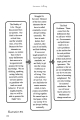
The Reality of Life: We get this picture from our parents. Our birth is the most critical time, and the weakest time, of our life. Because the four elements are impure, we realize tha
In 'The Reality of Life,' Suzanne Jeffrey delves into how our early upbringing shapes our understanding and actions. The text emphasizes how our birth is a vulnerable point characterized by defilement
54
Raising Children: The Four Requisites for Success
Part Two: Raising Children
using the four requisites. We will need to ask ourselves if we
have the ability to maintain quality (always delivering our
best); ability to manage our time (seeing all the
In raising children, it's crucial to embody qualities of quality, time management, and financial prudence, as children absorb both good and bad traits from their parents. By consistently modeling thes
14
Understanding Karma and Human Behavior
Introduction
of our actions having brought this suffering of disharmony into our lives and seek to address the causes that are creating and accumulating bad karma. And our accumulated karma designate
This text delves into the impact of our actions on accumulating karma and the subsequent effects on our lives and rebirth. It outlines the ten bodily conditions we face as we navigate life and the nec
16
Exploration of Rebirth and Justice
' There is another world, there is rebirth not of parents, there is fruit and result of deeds well - done and ill - done. ` You, sirs, are for me trustworthy and reliable, and what you say you have se
This text explores the philosophical ideas surrounding rebirth, the consequences of actions, and the concepts of justice through a narrative involving a dialogue between individuals questioning the ex
22
The Simile of the Man in the Mire
Now this again, Master Kassapa, is evidence to me that there is neither another world, nor rebirth other than of parentage, nor fruit and result of deeds well - done and ill - done.'
9. 'Well then, P
In this passage, Master Kassapa uses a simile to illustrate the complexity of existence and moral actions. He compares a man trapped in mire to the wider concepts of life, illustrating that actions, like p…
130
The Patience of Growing Good Deeds
After three or four months, although there is still no banana to consume, there will be banana leaves that we can use for wrapping. After eight or nine months, there is yet no banana to eat, but there
This text uses the metaphor of growing banana plants to illustrate that good deeds require time and favorable conditions to yield positive outcomes. Just as banana plants take a year to bear fruit, go
49
Understanding the Eightfold Path in Buddhism
Suzanne Jeffrey
"The path begins with Right View, Samma-Ditthi. This is also called Right Understand-
ing. On one level, this means that we understand that there is cause and effect: that do-
ing goo
The text outlines the initial parts of the Eightfold Path in Buddhism, emphasizing the importance of Right View, which differentiates good and bad actions based on cause and effect. Right Intention is
45
The Birth of a Meritorious Person
child to be born to her. When someone from a fortunate realm
is ready to be reborn, he will choose the best and most generous
mother. Once he enters the womb, he brings good fortune to
his mother and
The text discusses the relationship between an unborn child and their mother's well-being, highlighting how the child's past good deeds influence the mother's experiences, such as morning sickness. It
11
Peace and War Begins in the Mind
Peace, and War, Begins in the Mind
negative ones, then we are directing ourselves
towards the good virtues, and therefore will be
more inclined to make better, balanced judgments
in our lives.
In our
The text discusses the profound influence our thought processes have on our daily decisions and actions. It emphasizes the tendency of negative thoughts to lead to adverse outcomes, suggesting a criti
106
The Vehicle of Abandoning and Meritorious Actions
The Vehicle of Abandoning
10. Pūrṇa - kiriya - vatthu
Here, bhikkhus,
a certain person has done meritorious actions founded on giving gifts significantly, meritorious actions founded on virtues signi
บทความนี้สำรวจความสำคัญของการกระทำที่มีบุญที่มีรากฐานมาจากการให้ของขวัญและคุณธรรม ตามคำสอนในพระพุทธศาสนา หลังจากความตาย บุคคลที่ทำการกระทำที่มีบุญจะเกิดขึ้นในภพที่ดีขึ้น โดยมีการพูดถึงการเติบโตในทางที
129
The Formation of Habits and Teaching Morality
Suzanne Jeffrey
which will lead to destructive thoughts and eventually into darkness. So, as we can see,
different habits lead to different lives. All of our habits come from our early training.
“Ho
This text discusses how habits develop from early training and repeated actions, and emphasizes that both good and bad habits influence our lives. It highlights the need for teachers to first correct
21
Understanding Kilesa and Its Influence on the Mind
Kilesa is an element that soils the mind, invading it with great intensity to override the rational and, if allowed to, is ultimately the cause of mental suffering. Kilesa does not reveal its insidiou
Kilesa is an intrinsic element that corrupts the mind, causing mental suffering and overriding rationality. It acts like a hidden virus, lying dormant within the mind from birth. When viewed through D
28
Understanding Kamma and Its Impact on Our Lives
accumulating bad kamma they are like prisoners in their own kammic cells, unaware of their perpetual imprisonment. Unfortunately, as aforementioned, this prison of life is so vast that we cannot see t
This text discusses the nature of kamma and its profound impact on our lives, likening bad kamma to a prison that limits our awareness and actions. It emphasizes how thoughts, speech, and actions dire
94
Understanding Merit and Demerit: The Law of Karma
The opposite of merit is demerit, or ‘sin’. Demerit is the product of bad deeds. Bad deeds cause ‘bad karma’. Demerit is a negative energy that is created when a bad deed is performed: mentally, bodil
The opposite of merit is demerit, representing the consequences of bad deeds which cause negative karma. Both good and bad deeds are governed by the Law of Karma, where actions determine outcomes in t
22
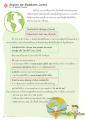
การเรียนรู้คำศัพท์วันคล้ายวันเกิดและวันคุ้มครองโลก
วันที่ 22 เมษายนที่จะมาถึง เป็นวันคล้ายวันเกิดของพระ- เดชพระคุณหลวงพ่ออัมชโญ คุณครูไม่ใหญ่ของเรา และเป็น วันคุ้มครองโลก ฉบับนี้เรามาทบทวน และเรียนรู้คำศัพท์ที่เกี่ยว เนื่องกับวันดังกล่าวกันค่ะ
วันคล้
วันที่ 22 เมษายน เป็นวันคล้ายวันเกิดของพระเดชพระคุณหลวงพ่ออัมชโญ รวมถึงเป็นวันคุ้มครองโลกด้วย ในบทความนี้เราจะมาทบทวนคำศัพท์ที่เกี่ยวข้อง เช่น Birthday (เบิร์ดเดย์) และ Earth day (เอิร์ธเดย์) พร้อมวิธ
94
Teacher’s Conference Insights on Moral Responsibilities at Panawat
Meeting #16
17 March 2010 - Panawat
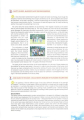
I am here in Panawat (a beautiful retreat center north of Chiang Mai) to attend a Teacher’s Conference conducted by Wat Phra Dhammakaya and decide to go see Luang
ในการประชุมครูที่ Panawat ได้เน้นถึงความสำคัญของหน้าที่และจริยธรรมในสังคม พร้อมกับการสอนศีลธรรมในโรงเรียน วัด และที่บ้าน ที่สำคัญคือการทำงานร่วมกันของครูทุกกลุ่มเพื่อสร้างสังคมที่มีคุณธรรม โดยเน้นการป
9
Quality of Mind: Mankind's Most Precious Resource
QUALITY OF MIND: MANKIND'S MOST PRECIOUS RESOURCE
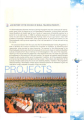
Our lives have been transformed through the triumphs of modern technology. Even though the progress of science and technology has brought convenience
In today's fast-paced world shaped by modern technology, the quality of mind has become increasingly vital. The rapid advancement of science has made happiness hard to achieve, with rising social issu
69
Success of Moral Training Projects: Dhammadayada Program
ASE HISTORY OF THE SUCCESS OF MORAL TRAINING PROJECTS
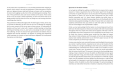
The Dnammadayada (Dhamma Inheritors) Training Programme has been conducted for twenty-seven years since the beginning of the Dhammikaya Foundatio
The Dhammadayada Training Programme has operated for twenty-seven years, focusing on hands-on Buddhist practice for students. In 1996, the program was scientifically assessed, revealing that participa
15
Understanding the Eternal Punishment of Life and the Role of Educators
In this prison there is punishment. It is not normal punishment like whipping or torture, which comes to an end; the punishment in this prison goes on forever and ever. Ageing, sickness, death and bir
This content discusses the perpetual punishment of existence, highlighting how suffering is inherent in our lives through age, sickness, and basic needs. It emphasizes the necessity for mindful teachi
82
Hiri-Ottapa: Understanding Shame and Fear of Wrongdoing
Hiri-ottapa – Shame and Fear of Wrongdoing
Hiri and ottapa are Pali words, meaning ‘shame of wrongdoing’ (hiri) and ‘fearful of the consequence of wrongdoing’ (ottapa). One who has hiri-ottapa is one
Hiri and Ottapa are pivotal concepts in Buddhism, representing the shame of wrongdoing and the fear of its consequences. Together, they foster a good moral conscience. Individuals devoid of these trai